admin
admin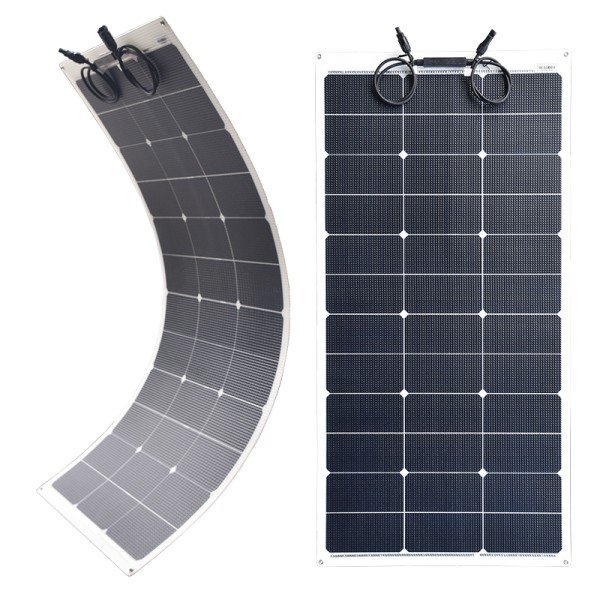
As solar technology continues to evolve, flexible solar panels have emerged as a lightweight, portable, and versatile alternative to traditional rigid panels. Whether you’re powering your campervan, charging your boat battery, or seeking off-grid energy for a small cabin, choosing the right flexible solar panel can make a big difference in performance, reliability, and overall convenience.
But with a growing number of options on the market, how do you know which flexible solar panel is right for your needs? In this guide, we’ll break down key factors to consider so you can make a confident, informed choice.
What AreFlexible Solar Panels?
Flexible solar panels are made using thin-film photovoltaic cells or monocrystalline silicon layered onto bendable substrates. Unlike rigid glass panels, these are designed to flex slightly, making them ideal for curved or uneven surfaces like RV roofs, tents, and marine decks.
Their slim profile and low weight make them a favorite among outdoor enthusiasts, van-lifers, and sailors. However, not all flexible panels are built the same, and your usage scenario will largely determine which model suits you best.
Determine Your Energy Needs
Start by calculating how much power you actually need. Think in terms of watts per day. Consider:
- Devices you’ll be powering (phones, lights, laptops, refrigerators, etc.)
- How many hours per day those devices will run
- Battery storage capacity (if you’re storing energy)
For example, if your daily energy usage totals around 500 watt-hours (Wh), you’ll need a solar panel (or combination) that can reliably generate that amount in a day, considering sunlight availability and efficiency losses.
Pay Attention to Wattage and Efficiency
Flexible solar panels typically range from 50 watts to 200 watts. Higher-wattage panels generate more power but are also larger and may require more installation space.
Efficiency refers to how much sunlight the panel can convert into usable electricity. Panels with high-efficiency monocrystalline cells (often above 20%) will produce more power in limited space—ideal for vehicles and boats where surface area is at a premium.
Consider Build Quality and Durability
Not all flexible panels can withstand the same wear and tear. Look for:
- ETFE coating (more durable and UV-resistant than PET)
- Waterproof rating (IP65 or higher is ideal for marine or outdoor use)
- Temperature tolerance (important in extreme heat or cold)
- Bend tolerance (some panels bend only slightly; others can conform to more curved surfaces)
If you’re in harsh environments (like saltwater or high winds), durability should be a top priority.
Portability and Installation
One of the major advantages of flexible panels is easy transport and setup. Ask yourself:
Will the panel be permanently mounted or portable?
Does it come with grommets, adhesive backing, or mounting kits?
How much does it weigh?
For portable setups, lightweight panels that roll or fold are ideal. For semi-permanent installations on RVs or boats, look for models with strong mounting options and weather sealing.
Compatibility with Your System
Check if the panel is compatible with your existing setup:
- Charge controller (MPPT controllers work best with high-efficiency panels)
- Battery type (LiFePO4, AGM, lead-acid)
- Voltage and current ratings
Many flexible solar panels are 12V, but some can be wired in series for higher-voltage systems. Always verify ratings to avoid mismatches or power losses.
Brand Reputation and Warranty
Solar panels are an investment. Reputable brands usually offer:
- Warranties of 1 to 5 years
- Customer support
- Positive reviews from users in similar scenarios
Buying from a trusted brand ensures quality control and peace of mind if anything goes wrong.NEWLIGHT ENERGY manufactures 23-25% efficient flexible solar panels that can be customized in different sizes and voltages. They are the designated supplier for city governments and the military, with quality assurance.
Conclusion
Flexible solar panels offer an exciting solution for those seeking clean, portable energy. The right choice depends on your specific energy needs, mounting surface, and environment. When chosen correctly, a flexible solar panel is more than just a device—it’s the freedom to harness the power of the sun.